Climate Change and Public Health in India: A Lancet Countdown 2025 Analysis

The 2025 Lancet Countdown on Health and Climate Change presents a stark warning for India: climate inaction is no longer a distant environmental concern but an immediate public health emergency with measurable human and economic costs. The data reveal an escalating convergence of heat stress, air pollution, infectious disease expansion, coastal vulnerability, and ecological degradation collectively threatening lives, livelihoods, and long-term development.

Heat as a Structural Health Risk

In 2024, Indians were exposed to an average of 19.8 heatwave days, of which 6.6 days were directly attributable to climate change. Compared to the 1990s, people experienced 366 additional hours of heat stress exposure, marking a record high.

The economic consequences are equally severe. Extreme heat resulted in 247 billion lost labour hours in 2024, amounting to approximately 419 hours per person, a 124% increase compared to 1990–1999. Agriculture bore 66% of these losses, followed by construction at 20%, with an estimated US$194 billion in income losses.

This indicates that climate change is not merely increasing discomfort—it is structurally undermining India’s productivity, food systems, and informal workforce resilience.

Air Pollution: A Persistent and Expensive Killer

Air pollution remains one of India’s gravest health crises. In 2022, over 1.7 million deaths were attributable to anthropogenic PM₂.₅ pollution, a 38% increase since 2010. Fossil fuels accounted for 44% of these deaths, with coal alone responsible for nearly 394,000 deaths, largely from power generation. The economic valuation of premature mortality from outdoor air pollution stood at US$339.4 billion in 2022—equivalent to 9.5% of India’s GDP. Household air pollution continues to disproportionately affect rural India, with mortality rates higher in rural areas than urban ones.

The data reinforce a critical insight: fossil fuel dependence is simultaneously a climate liability and a public health catastrophe.

Expanding Disease Frontiers

Climate change is reshaping infectious disease geography. The transmission potential (R₀) for dengue via Aedes albopictus has increased from 0.86 (1951–1960) to 1.60 (2015–2024), crossing the epidemic threshold. Coastal suitability for Vibrio transmission is now 46% greater than the historical baseline.

These trends suggest that India’s public health systems must prepare not only for higher case loads, but for structurally shifting epidemiological patterns driven by warming and changing rainfall.

Coastal and Urban Vulnerability

Over 18 million people in India now live less than one metre above sea level, placing them at heightened risk from sea-level rise. Simultaneously, urban ecological resilience is declining. Between 2015 and 2024, average urban greenness decreased by 3.6%, and only one of 189 major cities was classified as having high urban greenness.

Additionally, India lost 2.33 million hectares of tree cover between 2001 and 2023, with significant losses continuing in 2023. Reduced tree cover diminishes natural cooling capacity and exacerbates both heat stress and air pollution exposure.

A Governance and Policy Imperative

The Lancet data demonstrate that climate change in India is no longer an environmental silo issue—it is a cross-sectoral governance challenge implicating labour law, urban planning, coastal regulation, public health infrastructure, energy transition, and disaster management.

The scale of health and economic loss suggests that mitigation (rapid fossil fuel phase-down, clean energy expansion) and adaptation (heat action plans, urban greening, disease surveillance strengthening, coastal resilience) must proceed simultaneously. The “all hands on deck” framing is not rhetorical, it reflects the magnitude of systemic risk.

For India, climate action is not merely about emissions targets; it is about safeguarding constitutional commitments to life, health, livelihood, and intergenerational equity. The 2025 Lancet Countdown makes clear that delayed action is already costing lives and that decisive intervention could function as a public health lifeline.

दैवीय आदेश और भारत का सर्वोच्च न्यायालय :एक न्यायशास्त्रीय विमर्श

हाल ही में भारत के माननीय मुख्य न्यायाधीश बी.आर. गवई की एक टिप्पणी ने विवाद खड़ा कर दिया, यद्यपि संभवतः यह विवाद अनावश्यक था और केवल कुछ अति-संवेदनशील लोगों का ध्यान आकर्षित हुआ। Rakesh Dalal v. Union of India & Ors. की सुनवाई करते हुए न्यायमूर्ति गवई ने कथित रूप से कहा—
“यह तो महज़ पब्लिसिटी इंटरेस्ट लिटिगेशन है… जाकर स्वयं देवता से कहो कुछ करें। यदि आप स्वयं को भगवान विष्णु का गहरा भक्त बताते हैं, तो प्रार्थना कीजिए और ध्यान कीजिए।”

इस कथन को प्रसंग से अलग करके प्रस्तुत किया गया और तुरंत वायरल हो गया। सोशल मीडिया पर इसे हिंदू-विरोधी कहकर आलोचना की गई, विशेषकर उन लोगों द्वारा, जो इस कथन के पीछे छिपे गहरे न्यायशास्त्रीय दर्शन को समझने में असफल रहे। वस्तुतः, न्यायमूर्ति गवई के शब्द एक लंबे समय से चले आ रहे संवैधानिक संयम की पुनः पुष्टि थे—कि न्यायपालिका को धार्मिक उपासना और मंदिर व्यवस्था के पवित्र क्षेत्र में हस्तक्षेप नहीं करना चाहिए।

भारत के मंदिर एक ओर तो लौकिक विधियों से शासित होते हैं और दूसरी ओर दैवीय आदेशों व धार्मिक परंपराओं से। न्यायपालिका कानून के मामलों में सर्वोपरि होते हुए भी, आत्मिक शासन के क्षेत्र में अपनी सीमाओं को सदैव स्वीकारती आई है। न्यायमूर्ति गवई की यह टिप्पणी अवमाननापूर्ण नहीं थी, बल्कि इसने हिन्दू आस्था की पवित्रता को पुनः मान्यता दी कि भगवान विष्णु, परमदेवता के रूप में, न्यायिक सत्ता से भी परे हैं।

विवादित मामला भगवान विष्णु की खंडित प्रतिमा की पूजा से संबंधित था। हिंदू मान्यता में खंडित प्रतिमा की पूजा निषिद्ध मानी जाती है। याचिकाकर्ता ने अदालत से आदेश मांगा कि खंडित प्रतिमा की पूजा की अनुमति दी जाए, परंतु न्यायमूर्ति गवई ने उचित रूप से यह स्पष्ट किया कि ऐसे विषय दैवीय इच्छा और धार्मिक परंपरा के अंतर्गत आते हैं, न कि न्यायालयीन आदेश के। अतः इस मामले में स्वयं भगवान विष्णु ही याचिकाकर्ता का मार्गदर्शन कर सकते हैं।

भारतीय न्यायशास्त्र ने लंबे समय से हिंदू देवताओं को विधिक व्यक्तित्व (juristic person) के रूप में मान्यता दी है, अर्थात वे संपत्ति के स्वामी हो सकते हैं, मुकदमा दायर कर सकते हैं और उन पर मुकदमा चलाया जा सकता है। Pramatha Nath Mullick v. Pradyumna Kumar Mullick (1925) में बॉम्बे उच्च न्यायालय ने यह ठहराया कि हिंदू प्रतिमा, जो धार्मिक परंपरा में निहित है, एक विधिक इकाई है।

इससे पूर्व Dakor Temple Case (1887) में बॉम्बे उच्च न्यायालय ने कहा था कि एक हिंदू प्रतिमा एक पवित्र विचार का मूर्त रूप है और इस कारण वह विधिक विषय (juridical subject) है। यही सिद्धांत राम जन्मभूमि मामले में और स्पष्ट हुआ, जहाँ ‘राम लल्ला विराजमान’ स्वयं एक वादकारी पक्ष थे और उनके लिए विधिक परामर्शदाता उपस्थित थे।

सर्वोच्च न्यायालय ने Shiromani Gurdwara Parbandhak Committee v. Som Nath Dass तथा Profulla Chorone Requitte v. Satya Chorone Requitte जैसे मामलों में ईश्वर की निराकार अवधारणा और मूर्त रूप (प्रतिमा) में भेद किया। प्रतिमा, प्राणप्रतिष्ठा के पश्चात, दैवीय उपस्थिति का जीवित रूप मानी जाती है और इस प्रकार विधिक व्यक्तित्व अर्जित करती है।

Sheshammal v. State of Tamil Nadu में सर्वोच्च न्यायालय ने कहा कि एक बार प्रतिमा की प्राणप्रतिष्ठा हो जाने के बाद उसमें दैवीय शक्ति का वास माना जाता है। पूजा-पद्धति, जो आगमों और मंदिर शास्त्रों से संचालित होती है, का कड़ाई से पालन अनिवार्य है और किसी भी विचलन को प्रतिमा का अपवित्रीकरण माना जाता है। ऐसे मामलों में न्यायालय परंपरागत रूप से हस्तक्षेप से बचते आए हैं।

भारत में मंदिरों को broadly दो श्रेणियों में रखा जाता है—आगमिक (जहाँ पूजा-अर्चना पूरी तरह आगम या दैवीय आदेशों पर आधारित होती है) और अनागमिक (जहाँ लौकिक व्यवस्था लागू होती है)। (Srirangam Koli v. State of Tamil Nadu)। सर्वोच्च न्यायालय ने बार-बार कहा है कि न्यायालयों को मंदिर के मामलों में हस्तक्षेप नहीं करना चाहिए जब तक कि धार्मिक परंपराओं, दैवीय आदेशों या शास्त्रों से विचलन न हो। Srivari Daadaa v. Trimula Tripati Devastham मामले में कहा गया कि मंदिर संबंधी मुद्दों पर निर्णय पंडितों, विद्वानों या सलाहकारों को देना चाहिए, न कि न्यायालय को।

इस न्यायिक संयम का उदाहरण Odisha Vikash Parishad v. Union of India (कोविड-19 काल में) में दिखा, जब न्यायालय ने रथयात्रा की अनुमति दी। तत्कालीन मुख्य न्यायाधीश एस.ए. बोबडे ने कहा—“यदि रथयात्रा रोकी गई तो भगवान जगन्नाथ हमें क्षमा नहीं करेंगे।” इसी तरह श्री पद्मनाभस्वामी मंदिर मामले में यह प्रश्न उठा कि भगवान विष्णु को ‘वेङ्कटेश सुप्रभातम्’ के माध्यम से जगाया जाए या नहीं। इस पर न्यायालय ने कहा—“भगवान को किस प्रकार और किस भजन से जगाना है, यह आस्था का प्रश्न है। इस पर हम निर्णय नहीं देंगे। यह मुख्य तंत्री तय करेंगे।”

भारतीय न्यायालयों ने सदैव मंदिरों के धार्मिक मामलों और परंपराओं में हस्तक्षेप न करने की दीर्घ परंपरा बनाए रखी है। सबरिमला मामले में न्यायमूर्ति इन्दु मल्होत्रा का असहमति मत इसी न्यायशास्त्रीय दृष्टिकोण को और पुष्ट करता है। अतः Rakesh Dalal मामले में न्यायमूर्ति गवई की टिप्पणी को इसी व्यापक परिप्रेक्ष्य में देखा जाना चाहिए। खंडित प्रतिमा की पूजा की अनुमति न देने का उनका निर्णय श्रद्धा के खंडन के रूप में नहीं, बल्कि उसके पुनः अनुमोदन के रूप में समझा जाना चाहिए। उन्होंने याचिकाकर्ता को भगवान विष्णु से ही मार्गदर्शन लेने को कहा—और यही वह गहन सत्य है कि दैवीय विषयों में सर्वोच्च न्यायालय भी उस परमसत्ता के समक्ष नतमस्तक है।

लेखक :
रोहित कुमार
एडवोकेट-ऑन-रिकॉर्ड, सर्वोच्च न्यायालय, भारत
(व्यक्त विचार व्यक्तिगत हैं)

पर्यावरण और राजनीति:क्या 2025 के भारत में बदलाव की उम्मीद है?

“जलवायु परिवर्तन की चुनौती हमारे सामने है, लेकिन राजनीति और समाज इसे नज़रअंदाज़ कर आगे बढ़ रहे हैं।”

By Rohit Kumar

भारत में पर्यावरणीय समस्याएँ लगातार गहराती जा रही हैं। देश भर में प्राकृतिक आपदाओं, बढ़ते प्रदूषण, और जलवायु परिवर्तन के प्रभाव स्पष्ट हैं, लेकिन क्या राजनीतिक वर्ग और समाज इन मुद्दों को गंभीरता से ले रहे हैं? दिल्ली के ऊपर हर साल छाने वाली जहरीली धुंध (स्मॉग) देश की गंभीर वायु गुणवत्ता समस्या का प्रतीक बन चुकी है। 2024 की सर्दियों में, दिल्ली की वायु गुणवत्ता सूचकांक (AQI) “गंभीर” श्रेणी में बना रहा। फसल अवशेष जलाने, वाहन उत्सर्जन, और औद्योगिक प्रदूषण के मिश्रण ने दिल्ली को गैस चैंबर में बदल दिया है।

उत्तराखंड और हिमाचल प्रदेश में ग्लेशियर पिघलने और बादल फटने की घटनाएँ अब आम हो गई हैं। मानसून के दौरान मुंबई और चेन्नई जैसे शहरों में जलभराव और अनियमित मौसम का प्रभाव जलवायु संकट की गहरी सच्चाई को उजागर करता है।गंगा और यमुना जैसी प्रमुख नदियाँ अब भी गंभीर प्रदूषण से जूझ रही हैं। बैंगलोर की वर्तुर झील जहरीली झाग से भरी हुई है, जबकि हैदराबाद की हुसैन सागर झील लगातार सिकुड़ती जा रही है। प्लास्टिक कचरे और लैंडफिल साइटों का बढ़ता बोझ शहरी क्षेत्रों में जीवन को प्रभावित कर रहा है। स्वच्छ भारत अभियान के बावजूद, कचरा प्रबंधन में संरचनात्मक समस्याएँ बनी हुई हैं।

राजनीति में पर्यावरण: क्यों है यह हाशिये पर?

पर्यावरण पर सामाजिक समूहों में चर्चा का महत्व केवल जागरूकता बढ़ाने तक सीमित नहीं है; यह राजनीतिक प्राथमिकताओं को भी आकार देने में महत्वपूर्ण भूमिका निभा सकता है। आज, जब स्वास्थ्य और पर्यावरण जैसे मुद्दे हमारी रोजमर्रा की ज़िंदगी को प्रभावित कर रहे हैं—चाहे वह दिल्ली की जहरीली हवा हो, गंगा जैसी नदियों का प्रदूषण, या जलवायु परिवर्तन के कारण बढ़ती प्राकृतिक आपदाएँ—आम जनता इन पर खुलकर बात नहीं करती।

इस चुप्पी का परिणाम यह है कि राजनीतिक दल इन मुद्दों को अपने चुनावी एजेंडे में प्राथमिकता नहीं देते। 2024 में भी, बड़े राजनीतिक दल जाति, धर्म, और रोजगार जैसे पारंपरिक मुद्दों को ही केंद्र में रखते हैं, क्योंकि ये वोट हासिल करने के लिए प्रभावशाली माने जाते हैं। पर्यावरण, जिसे दीर्घकालिक नीति और योजनाओं की आवश्यकता है, केवल हाशिये पर रह जाता है।

जब सामाजिक समूह इन मुद्दों को चर्चा का विषय बनाएंगे, तभी जनता और राजनेताओं के बीच संवाद स्थापित होगा। यह पर्यावरण को लेकर सामूहिक जिम्मेदारी की भावना को मजबूत करेगा और सरकारों को हरित नीतियों को लागू करने और प्रदूषण नियंत्रण जैसे कार्यों में अधिक निवेश करने के लिए मजबूर करेगा। इसलिए, सामाजिक समूहों में पर्यावरण पर चर्चा करना हमारी वर्तमान और भविष्य की पीढ़ियों के लिए एक अनिवार्य कदम है।

पर्यावरणीय समूहों की सीमाएँ

पर्यावरण पर सामाजिक समूहों में चर्चा करना अत्यंत महत्वपूर्ण है क्योंकि यह जागरूकता और सामूहिक कार्रवाई को प्रोत्साहित करता है। जब लोग पर्यावरणीय मुद्दों जैसे जलवायु परिवर्तन, वायु प्रदूषण, और जल संरक्षण पर बात करते हैं, तो इससे समस्याओं की गंभीरता को समझने और समाधान खोजने में मदद मिलती है। सामाजिक समूह न केवल शिक्षा का माध्यम बनते हैं, बल्कि वे व्यक्तिगत आदतों में बदलाव लाने और बड़े स्तर पर नीति-निर्माण को प्रभावित करने का प्लेटफॉर्म भी प्रदान करते हैं। ऐसे संवाद सामुदायिक सहयोग और पर्यावरणीय जिम्मेदारी की भावना को बढ़ावा देते हैं, जिससे सतत विकास की दिशा में ठोस कदम उठाए जा सकते हैं। कुछ छोटे दल और समूह, जैसे उत्तराखंड परिवर्तन पार्टी, पर्यावरण पर ध्यान केंद्रित कर रहे हैं, लेकिन वे राष्ट्रीय स्तर पर प्रभाव डालने में विफल रहे हैं।भारतीय मीडिया अब भी पर्यावरणीय संकटों को प्राथमिकता देने में असफल है। जहाँ यूरोप और अमेरिका में जलवायु परिवर्तन पर गहन चर्चा होती है, भारत में यह केवल आपदाओं के समय ही खबर बनती है।

2024 में भारत ने जंगलों में आग और रिकॉर्डतोड़ गर्मी के कारण गंभीर पर्यावरणीय संकटों का सामना किया है। मानसून से पहले के महीनों में सामान्यत: होने वाली जंगलों की आग इस साल और अधिक विकराल हो गई है, विशेष रूप से उत्तराखंड, हिमाचल प्रदेश, मिजोरम और मणिपुर जैसे राज्यों में। इन आगों ने वनस्पति, वन्यजीवों और मानव बस्तियों को गंभीर रूप से नुकसान पहुँचाया है। उदाहरण के लिए, हिमाचल प्रदेश में अकेले 17,000 हेक्टेयर से अधिक वन भूमि आग में जल गई। सूखे हालात और भूमि की सफाई जैसी बढ़ती मानव गतिविधियाँ इन आगों को और भी तीव्र और आवधिक बना रही हैं। एक अध्ययन में यह भी बताया गया है कि उच्च तापमान और कम बारिश, विशेष रूप से दक्षिण और उत्तर-पूर्वी भारत में, आग के फैलने के लिए अनुकूल वातावरण बना रहे हैं​।

2024 की गर्मी का मौसम, जिसमें दिल्ली जैसे शहरों में रिकॉर्ड तोड़ तापमान दर्ज किया गया, ने पर्यावरण पर और अधिक दबाव डाला है। दिल्ली में तापमान 52°C तक पहुँच गया, जो पिछले वर्षों में सबसे अधिक था, जिससे स्वास्थ्य समस्याएँ और जल संकट बढ़ गए हैं​। ये चरम परिस्थितियाँ जलवायु परिवर्तन से जुड़ी हुई हैं, जिसने न केवल लम्बे और तीव्र गर्मी के लहरों को जन्म दिया है, बल्कि वर्षा में कमी भी आई है, जिससे वनस्पति अधिक सूख गई है और आग लगने की संभावना बढ़ गई है​

जंगलों की आग और अत्यधिक गर्मी का यह मिश्रण भारत की पारिस्थितिकी प्रणालियों, सार्वजनिक स्वास्थ्य और कृषि उत्पादकता के लिए गंभीर खतरा पैदा कर रहा है। विशेषज्ञों का कहना है कि वन अग्नि प्रबंधन को सुधारने, बेहतर भविष्यवाणी मॉडल विकसित करने, और जन जागरूकता बढ़ाने की आवश्यकता है। इसके अलावा, अग्नि अवरोधक, नियंत्रित जलाने और सतत भूमि उपयोग प्रथाओं में निवेश जैसे कदम इन बढ़ते जोखिमों को कम करने के लिए महत्वपूर्ण हैं​

अंत में, 2024 में जंगलों की आग और अत्यधिक गर्मी की चुनौतियाँ भारत में पर्यावरणीय प्रबंधन के लिए एक व्यापक और अनुकूलित दृष्टिकोण की तत्काल आवश्यकता को रेखांकित करती हैं। जलवायु परिवर्तन और मानवजनित कारणों के कारण ये घटनाएँ अधिक बार और विनाशकारी हो रही हैं, और केवल सरकार, स्थानीय समुदायों और पर्यावरण संगठनों के समन्वित प्रयासों से ही इनके प्रभाव को कम किया जा सकता है​

नीदरलैंड्स का उदाहरण: क्या हम कुछ सीख सकते हैं?

डच ग्रीन पार्टी GroenLinks ने पर्यावरण को मुख्यधारा की राजनीति में लाकर सफलता हासिल की। भारत में ऐसा कोई राजनेता या दल नहीं है जो जलवायु परिवर्तन जैसे मुद्दों को लेकर जनता को लामबंद कर सके। इसका कारण समाज में जागरूकता और दबाव की कमी है।


क्या भारत पर्यावरणीय संकट से निपटने के लिए तैयार है?

समाज में जागरूकता का अभाव

पर्यावरणीय संकटों का समाधान केवल सरकारी नीतियों तक सीमित नहीं हो सकता; यह समाज के हर वर्ग की भागीदारी की माँग करता है। इसके लिए जन जागरूकता अनिवार्य है। विश्वविद्यालय और शैक्षणिक संस्थान इस दिशा में महत्वपूर्ण भूमिका निभा सकते हैं, जहाँ युवाओं को पर्यावरणीय मुद्दों पर खुली चर्चा और समाधान खोजने के लिए प्रोत्साहित किया जाए। युवाओं की भागीदारी सोशल मीडिया और सामुदायिक कार्यक्रमों के माध्यम से पर्यावरणीय मुद्दों को जन-आंदोलन में बदल सकती है।

सरकार को प्रदूषण नियंत्रण के लिए कड़े कदम उठाने होंगे। प्रदूषण फैलाने वाले उद्योगों और वाहनों पर भारी जुर्माने लगाने, नवीकरणीय ऊर्जा को सब्सिडी देने, और सार्वजनिक परिवहन को सुधारने जैसी नीतियाँ लागू करनी होंगी। यह न केवल पर्यावरण को सुरक्षित बनाएगा, बल्कि समाज को टिकाऊ विकास के रास्ते पर भी ले जाएगा।

हालांकि, यह स्पष्ट है कि जब तक जनता स्वयं पर्यावरणीय मुद्दों को प्राथमिकता नहीं देती, तब तक राजनेता भी इसे अपने एजेंडे में शामिल नहीं करेंगे। “हरित घोषणापत्र” जैसे विचारों को राजनीति के मुख्यधारा में लाने के लिए राजनीतिक दबाव बनाना आवश्यक है। जनता को यह समझना होगा कि पर्यावरणीय सुधार केवल व्यक्तिगत प्रयासों से नहीं, बल्कि सरकार की नीतियों और उसके अमल से ही संभव हैं।

दिल्ली की जहरीली हवा, जल संकट, और प्राकृतिक आपदाओं के बावजूद, पर्यावरण अभी भी समाज और राजनीति की प्राथमिकता सूची में निचले स्थान पर है। अगर भारत को जलवायु परिवर्तन के प्रभावों से निपटना है और हरित भविष्य की ओर बढ़ना है, तो उसे अपनी सोच और नीतियों में बड़ा बदलाव लाना होगा। अब समय आ गया है कि पर्यावरण को राष्ट्रीय विमर्श और राजनीतिक एजेंडे का एक केंद्रीय मुद्दा बनाया जाए। केवल तभी, भारत वैश्विक जलवायु नेतृत्व में अपनी प्रभावी भूमिका निभा सकेगा।

रोहित कुमार, सुप्रीम कोर्ट ऑफ इंडिया में एडवोकेट-ऑन-रिकॉर्ड हैं।

Is the National Rare Disease policy a non-starter ?

Overview

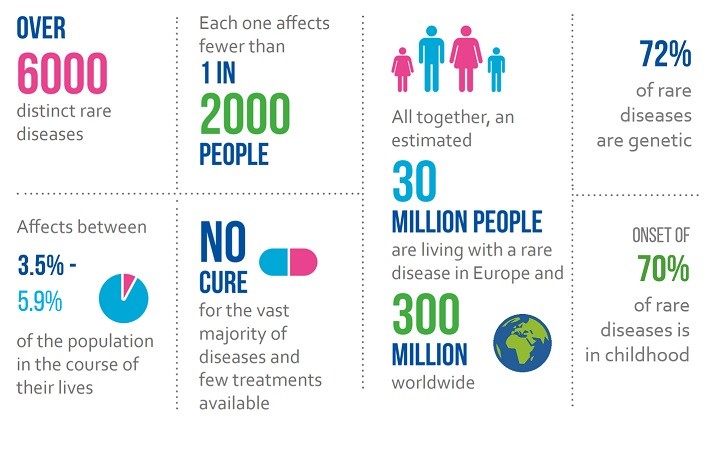
Recently, the Delhi High Court directed the National Consortium for Research, Development and Therapeutics for rare diseases to give recommendations on funding of clinical trials for Duchenne muscular dystrophy (DMD) , a rare disease. The Ministry of Health and Family  estimates that approximately 72 to 96 million people in India are suffering from rare diseases. WHO defines a rare disease as “ a disease with a prevalence of 1 or less, per 1000 population as a rare disease”. Rare diseases are generally connected with genetic aberration therefore children in early age are more prone to it. Demographically, in India the prevalence of rare disease is uneven. For instance, Tamil Nadu reports higher records of Duchenne Muscular Dystrophy. Whereas β-thalassemia is higher in the states of Punjab, West Bengal, Odisha, Andhra Pradesh and Gujarat. 

Due demographic disparities and comparatively smaller market major pharmaceutical companies hesitate in spending their resources for the development of drugs for rare diseases and drugs that are available in the market are inaccessible due to exorbitantly higher prices.  Eg. A single dose of Spinal Atrophy Muscular (SMA) drug cost INR 16 crore in India. Therefore, accessing affordable and quality treatment for rare diseases is a big challenge. 

To address problems related to treatment of rare diseases, the Ministry of Health introduced National Rare Disease Policy 2021. This policy classifies the rare diseases into three groups and introduces financial assistance for its treatment. 

Group 1Disorders amenable to one-time curative treatment
Group 2Diseases requiring long term / lifelong treatment having relatively lower cost of treatment and benefit has been documented in literature and annual or more frequent surveillance is required:
Group 3Diseases for which definitive treatment is available but challenges are to make optimal patient selection for benefit, very high cost and lifelong therapy.

The policy talks about providing one time financial assistance up to Rs 20 lakh under Rashtriya Arogya Nidhi and Pradhan Mantri Jan Aarogya Yojna only for the disease falling under Group 1. Whereas, for Group 2 and 3 diseases the policy stressed upon generating funds through crowdfunding wherein the Government can also fill the gaps in reaching the required funds.  However, in May 2022, the policy was changed and promised financial assistance of Rs 50 lakh for diseases falling under all the categories. To date around 500 patients are registered under the policy but not a single one received funds yet for treatment. Therefore, the question arises whether National Rare Health Policy 2021 is a non-starter ?

Government Obligation and Right to Health

Treatment for rare diseases involves high cost. India’s healthcare policies focus more on improving existing infrastructure and to fund the welfare schemes. Therefore, the lack of funds is a ground that the government often takes for not financially supporting treatment of rare diseases to an extent. Due to this financially backward population of the country suffers a lot. The Supreme Court of India in Common Cause Vs Union of India also observed that

“Right to health is a part of Article 21 of the Constitution. At the same time, it is also a harsh reality that everybody is not able to enjoy that right because of poverty etc. The State is not in a position to translate into reality this right to health for all citizens”.

In a democratic country, the Government is a legal guardian of its citizens and has an obligation to provide better healthcare and treatment. Delhi High in Master Arnesh Shaw  vs GNCT held that 

“This Court is of the opinion that just because of the exorbitant price of the drug or treatment, patients, especially children, suffering from a rare disease ought not to be deprived of treatment for their condition”

The Right to life including the Right to Health and Access to Medicine is a fundamental right guaranteed under Article 21 of the Constitution of India read with Articles 39(e). The Supreme Court of India in State of Punjab Vs Ram Lubhaya Bagga (1998) 4 SCC 117 held that – The Right of every citizen to life under Article 21 cast obligation on the state. This obligation is further reinforced under Article 47, as it is for the state to secure health to its citizens as its primary duty. (Also see Paschim Banga Khet Mazdoor Vs State of West Bengal (1996) 4 SCC 37, Pt Parmanand Katara 1989 AIR 2039 and Confederation of Ex-Servicemen (2006) 8 SCC 399). 

India also has obligations under international legal instrument to such as WHO) Constitution (1946),  Universal Declaration of Human Rights (1948), International Covenant on Economic, Social, and Cultural Rights (ICESCR) of 1966, General Comment 14 (2000), WHO Medium Term Strategic Plan for 2008-2013. 

However, right to health is a far-fetched dream that cannot come true until major policy changes are taken. 

Conclusion

To attain the highest level of health coverage in India certain policy decisions are required. Government should explore mechanisms to generate funds through various ways including waiving of taxes, directing and incentivising corporate houses and making national policies that cater the demand of affordable health care and treatment. 

  1. Corporate Social Responsibility : Rare disease policy 2021, talks about sourcing funds from corporate donors. However, it’s not possible until firm steps are taken by introducing amendments under CSR rules directing mandatory contribution of some amount of CSR funds in healthcare especially for treatment of rare diseases. The Hon’ble Delhi High Court in Mohd Ahmed (Minor) Vs Union of India 2014 SCC OnLine Del 1508, stressed upon generating the funds including through Corporate Social Responsibility (CSR), and held that

69. Government cannot cite the financial crunch as a reason not to fulfill its obligation to ensure access to medicines or to adopt a plan of action to treat rare diseases. In the opinion of this Court, no government can wriggle out of its core obligation of ensuring the right of access to health facilities………. by stating that it cannot afford to provide treatment for rare and chronic diseases.

  1. Taxes and Tariffs: Pricing of the drug depends upon several factors, including Tariff (import duty) and Taxes, that are among the two major components. The UN Special Rapporteur on the right of everyone to the enjoyment of the highest attainable standard of physical and mental health, in its report also urged the UN member countries to refrain from taxing essential medicine. Nonetheless, it’s not the case and many countries including India levy hefty taxes and import duty even on life-saving drugs. This certainly makes medicine inaccessible further. In the past Government the competent authority waived off 23 % Import Duty and 12 % GST from  Zolgensma thus treatment of five months old Teera Kamat became possible after when the remaining amount came from different sources. 
  1. Universal Health Coverage : WHO defines Universal Health Coverage (UHC) as “people have access to the full range of quality health services they need, when and where they need them, without financial hardship”. In 2018 on similar lines the Government of India also introduced the Ayushman Bharat Pradhan Mantri Jan Arogya Yojana with the aim to provide financial assistance of Rs 5 lakh per family per year for secondary and tertiary care. Although it’s not enough to treat complex medical problems, it is a welcome step, however we can expect some future improvements. 
  1. Incentivise Corporate. The Government should incentivise corporates who engage in providing assistance in drug discovery and Research and Development (R&D) of treatment for rare disease, by giving some tax rebates, and other forms of benefits. 

By

Rohit Kumar, is an advocate of the Supreme Court of India. Views are personal. Article first published on Youth Ki Awaaz.

Relevance of “Exclusive Jurisdiction Clause” in an agreement.

By Rohit Kumar

I. Introduction

Exclusive Jurisdiction Clause in a contract provides a particular court an absolute jurisdiction to decide the dispute arising out from the agreement while ousting all other courts.  Exclusive Jurisdiction mainly depends on the choice of “Seat” of arbitration, which simply means the “place” of arbitration proceedings. Section 20 of the Arbitration and Conciliation Act 1996 confers a power to the parties to choose the “Place” for the arbitration. Thus, in a typical arbitration clause the parties to the contract have the “Choice of Law” which gives the rights to the parties to choose, the Governing Law of Arbitration (Lex Loci Arbitri), Substantive Law of Contract and the “Seat” of Arbitration Proceedings (Lex Fori), Qualification of arbitrators, Language of arbitration proceedings, Intended arbitration institution etc.. 

However, among, all these choices, in the International Commercial Arbitration, the “Seat” of arbitration has a greater significance, as it sometimes decide the curial law means the procedural laws for the arbitration proceedings. However, this choice is also available in the domestic arbitration proceedings as per the provisions of the Arbitration Act 1996. The purpose for choosing the “seat” of arbitration other than the place of business of the parties is to give a neutral atmosphere for the arbitration proceedings and also for the convenience for the arbitral tribunal to conduct the arbitration proceedings efficiently. 

II. Indus Mobile Phones Vs Datawind Pvt Ltd

The opportunity to revisit the issue of “Exclusive Jurisdiction” clause has been found by the Supreme Court in its recent judgment “Indus Mobile Phones Vs Datawind Pvt Ltd”.  In this case the Appellant (Indus) was engaged in the marketing and distribution of the mobile phone and has a principal place of business at Chennai. The Respondent (Datawind) was a mobile phone and tablet manufacturer, having its registered office at Amritsar. The Appellant approached the Respondent to become its retail partner. Consequently, an agreement was instituted between the parties to carrying on their business relationship. This agreement incorporated an arbitral clause as clause 18 and 19 which provides that if a dispute arises the “the arbitration shall be conducted at Mumbai” and only the “Courts of Mumbai shall have exclusive jurisdiction” to decide all kinds of disputes respectively.

Disputes broke out between the parties and the Respondent (Datawind) served a notice the Appellant spelling out the conflict and also invoked the arbitration clause by appointing one Justice H.R Malhotra as a sole arbitrator. Appellant by replying to the Respondent objected the appointment of Justice Malhotra as Sole Arbitrator and also urged the Respondent to withdraw the notice. Denying the averments made by the Appellant, Respondent filed two petitions before the Delhi High Court one the Interim Relief and another for appointment of Arbitrator as per section 9 and 11 of Arbitration and Conciliation Act 1996, respectively. Thereof, the Appellant contended before the Delhi High Court that no cause of action arose out in Delhi, therefore, Delhi High Court has no jurisdiction to entertain the applications of the Respondent and only the court of Chennai (Principal place of Appellant), or Mumbai (Seat of Arbitration) or Amritsar (Place of Respondent) has jurisdiction to entertain any application arises out from the agreement. Both applications were disposed of by the Delhi High Court by an impugned judgment. Wherein, the Delhi High Court by assuming its jurisdiction passed an order dated 3rd Jun 2016 and by completely rejecting the contentions of the Appellant, held that because no cause of action has arisen out in Mumbai, the courts of Mumbai has no jurisdiction to entertain the pleas of the Respondent and because the Delhi High Court was approached first by the party it has jurisdiction in the matter. Thereby rejected the submissions of the Appellant and appointed Justice S N Veraria Retd Supreme Court Judge as a sole arbitrator. 

On an appeal filed by Indus (Appellant), the bench of Justice Rohinton Nariman and Justice Pinaki Chandra Ghose set aside the order of the Delhi High Court and held that as per the terms of the of the clause 18 and 19 of the agreement, the courts of Mumbai alone has the exclusive jurisdiction.  The court came to its conclusion that once the seat of arbitration is designated it creates an exclusive jurisdiction clause. On the facts of the case, the Court held that the parties had mutually decided the seat of Arbitration as Mumbai, and clause 19 of the agreement made it clear that the Court of Mumbai will have exclusive jurisdiction only. Therefore, Mumbai courts will have absolute jurisdiction over the subject matter of the arbitration. The Hon’ble Bench further makes it clear that the under the laws of Arbitration, unlike Code of Civil Procedure the concept of “seat” of arbitration is has a greater value than the classical concept of “cause of action Hence, in the present case the Supreme Court has reaffirmed the importance of the “Exclusive Jurisdiction Clause”. 

The Supreme Court reached to its conclusion by referring BALCO Vs. Kaiser and its subsequent judgments such as Enercon (India) Ltd Vs Enercon (GmBH), Harmony Innovation Shipping Vs Gupta Coal, Union of India Vs Reliance Industries, and Eitzen vs Ashapura Minechem Ltd. Further, the Hon’ble bench also made it clear while relying on Swastik Gases Private Limited Vs Indian Oil Corporation, followed in B.E Simoese Von Staraburg Vs Chattisgarh Investment Limited (also followed in Omaxe Vs PVP Entertainment, Delhi High Court) that where more than one court has a jurisdiction, the parties may select only one court while excluding the others. 

III. Implication of the Judgment

The decision by the Supreme Court in the Datawind case (supra), reinstating, that the seat of arbitration shall have exclusive jurisdiction over arbitral proceedings is surely a step in the positive direction. This judgment has aimed at wiping out the confusion over the jurisdiction of multiple courts arising out from a contractual agreement. However, its applicability must be restricted to arbitration proceedings going on in India only in the domestic arbitrations.

However, the ratio of the present judgment shall not be extended to a foreign seated arbitration or even the International Commercial Arbitration going on in India as defined in Section 2(1) (f) of the Act. If this judgment applies in the International Commercial Arbitration cases, it may go contrary to the spirit of the recently amended provisions of the Indian Arbitration Act. Since new amendments recognized the rights of the parties to approach the Indian Courts to grant the interim measures in the arbitration proceedings going on outside India. Further, judgement has strengthened the efforts rendered by the government for making India as a global hub of arbitration and to promote the use of arbitration as efficient way of resolving the commercial disputes over the traditional methods.

Rohit is a Delhi based lawyer, practices before the Supreme Court of India.

Black Magic and Superstition -Obligations of Social Media Companies In India.

By Rohit Kumar

The Kerala High Court expressed dismay and concern  while hearing murder case of two women allegedly committed to perform black magic. The High Court while examining the case found that accused posted content on social media promoting sorcery ritual just before the murder.In India, such activities pose serious public threat but there is no comprehensive central (federal) law to deals with it. In 1954 the parliament passed the Drugs and Magic Remedies (Objectionable Advertisement) Act, but it only deals with prohibition of the advertisement related to magical remedies. 

What is Black Magic and Superstition?

○  Superstition :- Excessive reverence or fear based on ignorance; false worship of religion (P Ramanatha Aiyar Law Lexicon)

Black Magic:- magic that is associated with the devil or with evil spirits : evil magic (Dictionary.com)

magic remedy‟ includes a talisman, mantra, kavacha, and any other charm of any kind which is alleged to possess miraculous powers for or in the diagnosis, cure, mitigation, treatment or prevention of any disease in human beings or animals or for affecting or influencing in any way the structure or any organic function of the body of human beings or animals  (See Section 2 (C) of the Drugs and Magic Remedies (Objectionable Advertisement) Act, 1954 )

In 2013 NDTV conducted an in-depth study and revealed the harsh truth of witch hunting practices prominent in the state of Chhattisgarh and Bihar, this report was also a precursor for enacting the Anti Black Magic law of the state of Chattisgarh. 

Laws to prohibit Black Magic in India

Central Act

State Acts

Section 3 of the Maharashtra Act states – No person shall either himself or through any other person commit, promote, propagate or practice or cause to promote, propagate or practice human sacrifice and other inhuman, evil and aghori practices and black magic mentioned or described in the Schedule appended to this Act. 

Court Cases 

In Rajendra vs Union of India Crl Writ Petition 469 of 2015, the Bombay High Court read Section 3 of the Maharashtra Act and Cable TV (Regulation) Act 1995 and directed to remove the ads promoting black magic from  cable TV. 

In 2013 Dr Dhabolkar was murdered by two unidentified people, the investigation in the case is still going on but the prima facie reason of his murder linked with his strong opposition against the prevailing black magic remedy in the state of Maharashtra. 

Navnath Vs State of Maharashtra is a first case heard by the Bombay High Court post promulgation of the Maharashtra Black Magic Act but conviction didn’t happen in this case due to lack of evidence. 

In 2010 RLEK the Dehra Dun based organisation filed a petition in the Supreme Court of India for the proper implementation of the Black Magic Acts passed by the state of Chattisgarh, Bihar and Jharkhand, but the Supreme Court of the India dismissed the petition stating reason that the implementation of the act is the subject matter of the states and the courts cannot direct them.

Responsibility of Social Media platform

 • In the absence of any comprehensive central law. Social Media companies are required to exercise their discretion on receiving the take down notice. As activities related to black magic pose a threat to someone’s life. Moderators shall take utmost caution in entertaining such content and take immediate action as content may amount to disturbing the public order of the society which is a violation of various penal provisions. Further, it is the fundamental duty of the companies to work in accordance with the constitution mandate.  

Article 51A of the Constitution of India under Fundamental duties chapter states that. It shall be the duty of every citizen of India  to abide by the Constitution and respect its ideals and institutions, the national Flag and the National Anthem; and to (g.) develop the scientific temper, humanism and the spirit of inquiry and reform.  Echoing the constitutional spirit  the Bombay High Court in Rajendra Vs UoI (Supra) the Court held that

 “It can be said that at least basic education is available to everybody in this State. Though these things are there, the scientific temper and the spirit of inquiry and reform are not yet developed. Even many educated and highly educated persons get attracted to the things like mantra-tantra, black magic.

Written by Rohit Kumar is a supreme court lawyer specializing in technology law. He can reach out at lex.rohit.kr@gmail.com

Is Cryptocurrency really a currency or asset for the taxing purpose in India ?

By Rohit Kumar

In the absence of any regulatory regime, the Indian Government is working on introducing an indirect way through GST to levy tax on crypto. Livemint recently reported that the ministry officials are contemplating whether Crypto can be classified as good or service. As per Indian laws without proper legal definition it is not feasible for any taxing agency in India, to levy tax on Crypto and related products. 

The article 265 of the Constitution of India says that:  No tax shall be levied or collected except by authority of law. It means that taxation is an essential function of the Government of India and it cannot be determined on the basis of assumptions. 

In Vodafone International Holding Vs Union of India (CIVIL APPEAL NO.733 OF 2012)  the Supreme Court of India held, that 

169. Power to impose tax is essentially a legislative function which finds in its expression Article 265 of the  Constitution of India. Article 265 states that no tax shall be levied except by authority of law. Further, it is also well settled that the subject is not to be taxed without clear words for that purpose; and also that every Act of Parliament must be read according to the natural construction of its words. Viscount Simon quoted with approval a passage from Rowlatt, J. expressing the principle in the following words:

“In a taxing Act one has to look merely at what is clearly said. There is no room for any intendment. There is no equity about a tax. There is no presumption as to tax. Nothing is to be read in, nothing is to be implied. One can only look fairly at the language used. [Cape Brandy Syndicate v. IRC (1921) 1 KB 64, P. 71 (Rowlatt,J.)]”

In the 2022 finance bill the Ministry of Finance made attempts to define Virtual assets/currency and consolidated all the attributes of Distributed Ledger Technology (DLT) and Blockchain like cryptocurrency and  NFTs into the definition of Virtual Digital Assets (VDAs) rather than defining them separately.  This definition is vague and lacks clarity as different VC/VDAs have different features and cannot be treated equally for taxation. 

For instance, Cryptocurrency is fungible in nature and  its value changes as the community involved in its transaction and its worth fluctuates with increase and decrease in  supply.  Further, the transactions of specific crypto tokens can only take place in its restricted ecosystem (or marketplace). For example, Eutheream cannot be used for any transaction in the Bitcoin ecosystem. 

In this ecosystem, an end user requests for the token. Miners on the other end mine this request and put it in a block. These requests are stored in the cryptographic codes in the block. Another group of miners mined these codes and once found out, arranged with another block that makes blockchain. Once blockchain completes the first user receives the certain cryptographic codes called cryptocurrency. 

However, when this transaction within an ecosystem happens, crypto exchanges (entity operating/intermediaries) monetize with an increase in the cryptographic value and people who hold or invest money in tokens get a return. Careful examination of these transactions, would help us understand that crypto works like a commodity market. That’s the reason the majority of financial institutes around the world also treat cryptocurrency as a “commodity” that facilitates the user to do certain transactions in the virtual world.   

Certainly such limitations narrow the scope of cryptocurrency to qualify the current definition of “asset” and “currency”. Therefore, it  may be merely considered as digital representations of value and that are capable of functioning as (i) a medium of exchange and/or (ii) a unit of account and/or (iii) a store of value. The English court also held in  Kirby v Thorn EMI (1988) 2 All ER 947 that – a right to trade freely and to compete in the marketplace is not an asset.  

Whereas, NFTs are non-fungible therefore its value is intact. Due to their unique features and artistic peculiarity, the worth of NFT could increase with time. Thus, it can be considered as “capital assets” and may be subject to income tax.  

The Supreme Court of India in Internet and Mobile Association of India vs Reserve Bank of India (Writ Petition (Civil) No.528 of 2018) case held that (para 6.132) “virtual currency can have a unidirectional or bidirectional flow depending upon the scheme with which the entities come up” therefore “different types of VCs require different treatments”. In Amit Bhargava Vs Union of India (W.P) Criminal 431 of 2019, the Supreme court also asked the government of India to classify the legality of Cryptocurrency in India and the government yet to give clarification on it. The Supreme Court in  A. V. Fernandez vs The State Of Kerala (1957 AIR 657) held that “no tax can be imposed by inference or by analogy or by trying to probe into the intentions of the legislature and by considering what was the substance of the matter

Treating cryptocurrency with other DLT based products under an umbrella term of Digital Virtual Assets is not justified and imposing taxes is a violation of law. On the other hand Crypto exchanges (entities) operating in India that offer users to invest in cryptocurrency are already subject to Good and Service taxes (GSTs) as they facilitate the buy and sell of certain commodities. To levy income tax on crypto, the government of India shall make earnest efforts to introduce a comprehensive regulatory regime to deal with nuances of crypto products. Passing such laws would give clarity to taxing agencies and investors, it will also encourage the Indian start ups to business in India with confidence. 

Written by Rohit Kumar is a supreme court lawyer specializing in technology law. He can reach out at lex.rohit.kr@gmail.com 

Whether Intermediary Guidelines 2021 are unjustified on legal principles?

By Rohit KumarAdvocate Supreme Court of India.

The recently notified Intermediary Guidelines and Digital Media Ethics code 2021 (Guidelines 2021) is the most debated law passed in India in the last few months. Tech giants and media groups are pushed to make certain changes in their policy and corporate structures. The legal validity of the guidelines has already been challenged for various reasons in DelhiKarnataka, Madras and the Kerala High court. The Guidelines are also criticized for passing it without consultation with stakeholders, which itself is a contravention of the government’s pre-legislative consultation policy. A few weeks ago, Delhi police raided Twitter’s office to give notice of non-compliance with these guidelines. Subsequently, news are coming that Twitter has lost protection under IT act for non-compliance of the 2021 Guidelines.

These guidelines have been placed to deal with the rapidly changing dimension of transmission through internet platforms. Stakeholders condemned these guidelines on various accounts. However, the plain reading of these guidelines reflects some drafting errors that are causing inconsistency with the common-law principles.

  1. Safe Harbour Protection

The Information Technology Act 2000 (IT Act) is the governing law of India that deals with digital space, the internet, and services related to it. The act defines intermediary, computer resources, punishments, and safeguards. One of the important safeguards provided under IT act is the safe harbour protection under section 79 of the IT Act. Interestingly, provision of the safe harbour was absent in the IT Act initially, however, certain amendments were made in 2008 in the aftermath of the Avinash Bajaj Vs State1 case, popularly known as DPS Scandal. By virtue of the 2008 amendment key provisions like safe harbor protection, Section 69A, and various punishments were added.

The Intermediary Guidelines 2021 tend to dilute this protection and attempts to increase the liabilities on intermediaries in India, that otherwise enjoy safe harbor protection under section 79 of the IT Act. Rule 7 of the guidelines lays down that

7. Non-observance of Rules.—Where an intermediary fails to observe these rules, the provisions of sub-section (1) of section 79 of the Act shall not be applicable to such intermediary and the intermediary shall be liable for punishment under any law for the time being in force including the provisions of the Act and the Indian Penal Code. 

The purpose of Rule 7 is to put an obligation on intermediaries to comply with the law, otherwise, as the rule says the intermediaries may lose their safe harbor protection. However, practically neither it is possible nor it is legally justified because whether a platform is an intermediary or not, is not dependent upon any special status or certificate granted by any authority. It is just legal protection granted to the platform from the action of a third party.

In Myspace Inc. v. Super Cassettes Industries Ltd., the Division Bench of Delhi High Court held that Section 79 of the IT Act is not an ―enforceable provision, but merely provides ―affirmative defense to entities that fulfill the criteria set forth therein.

51… The true intent of Section 79 is to ensure that in terms of globally accepted standards of intermediary liabilities and to further digital trade and economy, an intermediary is granted certain protections. Section 79 is neither an enforcement provision nor does it list out any penal consequences for non-compliance. It sets up a scheme where intermediaries have to follow certain minimum standards to avoid liability; it provides for an affirmative defense and not a blanket immunity from liability.

Further, while ascertaining whether a platform qualifies for the protection under section 79, the division bench of the Delhi High Court in another case Amazon Seller Services Pvt Ltd vs Modicare Ltd & Ors2 held that, the activities of the platform to avail safe harbour protection can only be decided on the basis of the evidence produced in a trial. The court held as follows,

123. Section 79 of the IT Act is a safe harbor for online marketplaces, limiting their liability for third-party information posted on their systems. It is to ensure that the liability for non-compliance and/or violation of law by a third party, i.e. the seller, is not fastened on the online marketplace. In holding that Amazon is in fact not an intermediary, the learned Single Judge has obviated the need for any evidence to be led in the matter.

  1. Specialized law prevails over the general law

Rule 7 further lays down that if the intermediary does not comply with the guidelines, it will be held liable for the punishment under IT Act and Indian Penal Code. This approach is also contrary to the principles of law that a Specialized law prevails over general law. In the context of the IT Act Supreme Court of India in  Sharat Babu Digumarti vs Govt Of Nct Of Delhi held that

32….Once the special provisions [IT Act] having the overriding effect do cover a criminal act and the offender, he gets out of the net of the IPC…. It is apt to note here that electronic forms of transmission are covered by the IT Act, which is a special law. It is a settled position in law that a special law shall prevail over the general and prior laws.

Therefore, the lawmakers erred in drafting the provision of Rule 7 of the Intermediary Guidelines and does not justify the principles of law.

Another contentious provision of the Intermediary Guidelines 2021 is making the Chief Compliance Officer of the platform liable for the contravention takedown request. This provision is inconsistent with the intent of Section 85 of the IT Act 2000 that provides

85. Offences by companies.-

(1) Where a person committing a contravention of any of the provisions of this Act or of any rule, direction or order made thereunder is a company, every person who, at the time the contravention was committed, was in charge of, and was responsible to, the company for the conduct of the business of the company as well as the company, shall be guilty of the contravention and shall be liable to be proceeded against and punished accordingly:

Provided that nothing contained in this sub-section shall render any such person liable to punishment if he proves that the contravention took place without his knowledge or that he exercised all due diligence to prevent such contravention.

Whereas, Rule 4 specifically provided that the Chief Compliance Officer will be held responsible. This provision is critical because Intermediary Guidelines 2021 are silent on issuing reasonable takedown requests, this simply means that the compliance officer has to remove the content after receiving request from the appropriate government irrespective of whether the Community Guidelines or any other policy of the particular platform violated. Giving a reasonable order is also a requirement under Shreya Singhal Vs Union of Indiacase that ruled – reasons have to be recorded in writing in such blocking order so that they may be assailed in a writ petition under Article 226 of the Constitution (para 109)

This reflects that Section 85 of IT Act 2000 and Rule 4 of the Intermediary Guidelines 2021 are inconsistent with each other. However, the question arises whether Rules made under an act prevail over the parent act?

  1. Parent Act prevail over subordinate rules

The Supreme Court of India in State of U.P v Renusagar Power Co5 held that., “if the exercise of power is in the nature of subordinate legislation, the exercise must conform to the provisions of the statute.” Further, in Babaji Kondaji Garad Etc vs The Nasik Merchants Co-Operative 6 Supreme Court held that – “If there is any conflict between a  statute and the subordinate legislation, the statute prevails over subordinate legislation and the bye-law if not in conformity with the statute to give effect to the statutory provision the rule or bye-law has to be ignored”. Thus, in the future, if there will be any inconsistency in interpreting the liabilities of the officer of the company, Section 85 of the IT Act will prevail over Rule 4 of the Intermediary Guidelines 2021.

  1. Legislative Overruling

India is a constitutional democratic set-up, where Constitutional Courts have the power of judicial review. Our legal system is based on the principle of stare decisis. Cases decided by constitutional court become precedent and have to be followed in later cases of similar nature. The decision rendered by the Constitutional court interpreted the law and it superseded the bare reading of the statute. Now, another question arises whether a legislative body can pass a law to nullify the effect of the judgment of the constitutional court, and the answer is no. Legislative overruling is not permissible under the common law framework. The Supreme Court in Asst. Commnr. Of Agri. Income Tax & … vs M/S. Netley ‘B’ Estate & Ors.

(8) In exercising legislative power, the legislature by mere declaration, without anything more, cannot directly overrule, revise or override a judicial decision. It can render judicial decisions ineffective by enacting valid law on the topic within its legislative field fundamentally altering or changing its character retrospectively. The changed or altered conditions are such that the previous decision would not have been rendered by the court if those conditions had existed at the time of declaring the law invalid.

These doctrines are currently relevant in the context of interpretation and practicality of the Intermediary Guidelines and Digital Media Ethics Code 2021 The bare reading of these guidelines reflects that these are not justified on the principles of law and are not fulfilling the purpose. The principles of jurisprudence say that laws are being made for the benefit of the people. These benefits should be justified on the need for society while protecting the rights and liberty of the people, which is certainly not a case concerning 2021 guidelines. A lex iniusta non-est lex another common law doctrine says that an unjust law is no law at all. Based on these principles of law, it appears that the Intermediary Guidelines 2021 are not justified on the legal principles and it is merely colorable legislation, therefore unconstitutional and beyond the legislative competence of the Union of India.

__________________________________________________________________________________________________________

By Rohit Kumar, Advocate Supreme Court of India. He specialises in Internet law and policy. Rohit can be contacted at lex.rohit.kr@gmail.com.

The article is first published on https://youshouldknowthelaw.wordpress.com

1. 2008 SCC Online Del 688

2. 2020 SCC Online Del 454

3. (2017) 2 SCC 18

4. (2015) 5 SCC 1

5. 1988 AIR 1737

6. 1985 AIR 192

7. (2015) 11 SCC 462

Right to Depart with Dignity

This article discusses Indian Jurisprudence on the Right to Die with Dignity in light of the unfortunate death of a 19 year old who was brutally gangraped in the city of Hathras.

By Rohit Kumar

Hathras rape incident has left the majority of us in shock. The victim was raped, sodomized by four upper-caste men who also cut her tongue. The victim was a 19-year-old Dalit woman. This makes her chances of getting justice bleak further, being a most downtrodden member of society; being a Dalit and a woman. The victim’s other disadvantage was that she belonged to a place that is not a priority for the media, unlike Delhi, Mumbai Hyderabad. However, the most disturbing element of this whole incident was how her last rites performed. As per the reports, her body was not handed over to the family for antyesti. The local administration merely performed their duty.

Antyesti means the last sacrifice of the Hindus. The ancient Hindu text provided a detailed description of how the rituals should be done at the time of cremation. Performing these rituals shall be administered with complete dignity and respect as it is a final bid to the departed soul. It is a matter of fundamental right guaranteed under Article 21 of the Constitution of India.

The Supreme Court of India in Pt Parmanand Katara v. Union of India [i] held that

“right to dignity and fair treatment under Article 21 of the Constitution of India is not only available to a living man but also to his body after his death”

The court in Ashray Adhikar v. Union of India  [ii] while dealing with the issue state’s responsibility  in burial the bodies of the homeless people further stressed upon:

“ to have a decent burial, as per their religious belief and the corresponding obligation of the State towards such people”

The Supreme Court in Common Cause v. Union of India [iii] dealt with whether the Right to live also includes the Right to Die with Dignity. Deciding in affirmative Justice DY Chandrachud, in his concurring judgment, held that the facet of Right to life with Dignity also extends to death in the following words:

“Dignity is the core value of life and personal liberty which infuses every stage of human existence. Dignity in the process of dying as well as dignity in death reflects a long yearning through the ages that the passage away from life should be bereft of suffering. These individual yearnings are enhanced by the experiences of sharing, observing and feeling with others: the loss of a parent, spouse, friend or an acquaintance to the cycle of life. Dignity in death has a sense of realism that permeates the right to life. It has a basic connect with the autonomy of the individual and the right to self-determination. Loss of control over the body and the mind are portents of the deprivation of liberty. As the end of life approaches, a loss of control over human faculties denudes life of its meaning. ……..Corresponding to the right (Right to Die) is a legitimate expectation that the state must protect it and provide a just legal order in which the right is not denied. In matters as fundamental as death and the process of dying, each individual is entitled to a reasonable expectation of the protection of his or her autonomy by a legal order founded on the rule of law. A constitutional expectation of providing dignity in death is protected by Article 21 and is enforceable against the state.”

Most recently, the Calcutta High Court in the Vineet Ruia v. State of West Bengal [iv] held on the similar lines that

“18. We are of the view that the right to live a dignified life extends up to the point of death including the dignified procedure of death. We are inclined to interpret the phrase ‘dignified procedure of death’ in an expansive manner so as to include dignified disposal of the human remains of a deceased. We unhesitatingly hold that the mortal remains of a deceased person must be treated with care, respect, and dignity and have to be disposed of by burial or burning, according to the religion, in so far as the same is ascertainable, that the deceased person practiced.”

However, Supreme Court judgments, scholarly articles, and academic discussions become fancy exercises that practically have no meaning or binding principles in places outside India’s major cities. In the 21st Century, where the intellectual class concentrates on making digital India, there are places like Hathras where state machinery works on its own whims and fancies and law has no meaning. And we as an ordinary individual can only ashamed of ourselves as a member of a degrading society.

Rohit Kumar is a Delhi based lawyer. The post was originally published on https://youshouldknowthelaw.wordpress.com on 3rd October 2020

Delhi’s Step Towards Catastrophe

Once regarded as one of the greenest capital city of the World, Delhi has now been sobriquet as the World’s most polluted city. From the last few decades, Delhi’s pollution is a subject matter of discussion before Courts, Government Departments and civil society. Despite various interventions either from the courts or administration no viable solutions have found to mitigate the air pollution.However, apart from air pollution, another problem which is a sight for the citizens of Delhi is the issue of water Scarcity. Delhi’s water cycle has been completely disturbed from last many years, and we are experiencing the annual decline in the rainfall and thus the water shortage especially in summer months. The possible reasons for the disturbance in the rain pattern of Delhi is may be due to the alteration of the overall ecology of Delhi. A few decades ago, Delhi was accustomed to extreme weather conditions and a predictable cyclic weather system. The year used to start with cold winters which continued till mid-March and remain until the arrival of the monsoon which brought instant and prolonged reliefs to Delhi from the scorching summers and Dussehra was marked with the arrival of the winters which peaked in December-January. However, with the spur in economic growth and rising population of Delhi since independence, there has been rapid and unchecked urbanization. The profound change in Delhi’s landscape has thrown up new challenges to its ecosystem.

In last few years there has been a noticeable change in the Delhi’s weather system, which had impacted the duration and intensity of every season which Delhi witnesses in a year. It has been reported by various agencies that due to rapid environmental degradation there has been an adverse impact on the monsoon in Delhi and precipitation is also declining. This gives rise to the increase in average temperature during monsoon season and prolonged the summer temperature till October. This change in weather is also affecting the winters of Delhi. The Delhi which was known for its long (November-March) and sometimes unforgiving winters, has largely shrunk to a few weeks, witnessed in late December and January.

One of the major reasons attributable to these climatic changes may be the alteration of Delhi’s ecosystem overall caused it may be the loss of natural vegetation and rapid urbanization. This continuous degradation has also adversely impacted the water cycle of Delhi.

It is a fact that trees act as an intermediary in many ecological processes such as Nitrogen Cycle, Carbon Cycle, Water Cycle etc., therefore, they are extremely important ecological agents which regulates the overall environment of a particular area because of it. Furthermore, it is also a natural phenomenon that during rainfall, the rainwater runs along the ground and flows into the river and then to the ocean. A part of the rainwater that falls on the land percolates into the ground. This water stored underground throughout the rest of the year. Water is drawn up again from the ground by trees and plants with nutrient from the soil. The Water then transpired (Transpiration) from the leaves in the form of water vapour and returned to the atmosphere as water vapours. Because water vapours are lighter than air it goes up high in the atmosphere and makes clouds.

Later, the wind blows the clouds for long-distance and when the clouds rise higher, the vapour condenses and changes into droplets, which fall on the land again in the form of rain. This never-ending natural phenomenon is called the Water Cycle or Hydrological Cycle. Hence, trees play a vital role in maintaining the natural environment, and in the in absence of trees, many ecological processes cannot take place. Therefore, trees are a vital agent to regulate and conserve the water in the atmosphere and in the underground. And a reduction in the tree cover will certainly have devastating consequences on the water cycle of Delhi, and which would lead to the severe water crisis in future.

Water is the most important resource for the survival of life on this planet, and it is a fundamental human need and a critical national and international asset. Unfortunately, this precious resource is depleting swiftly everywhere. Cape Town has only a few days of water supply left. And if we go with the recent report of BBC, São Paulo and Bengaluru will be waterless cities very soon. The main causes of Water crisis are the increase of average global temperature, rapid urbanization, and increase in population and uncheck cutting of trees and deforestation etc. Thus, the government and the citizens have “Common but differentiated responsibility” to save the water for the future. Access to clean water is also a basic human right. The 2030 Sustainable Development Goal (SDGs) carved out by UN General Assembly also accepted the access to safe water as a global goal. Hence, Water Scarcity is a Global phenomenon which is gradually becoming a man-made catastrophe of the 21st Century.

The situation in Delhi is also not encouraging. A recent Scientific Study conducted by the group of Scientist concluded that Delhi is the 2nd most water-stressed city of the World. Moreover, it is a well known scientific fact that the reduction of natural vegetation is directly proportioned to the water scarcity.
The Indian Space Research Organization (ISRO) in 2016 released the Desertification and Land Degradation Atlas of India and this shown that Delhi is 3rd highest desertification/land degradation state of India, with alarming desertification rate of 11.03 %. Further, the India State Forest Report 2017 revealed that the Lutyen’s Delhi has lost 0.84 Square Kilometer of the forest cover. Also, the Indian Meteorological Department report has stated that annual rainfall has decreased by 95% in Delhi and other neighbouring states. The same report has also indicated an increase in the minimum temperature of Delhi.
These changes in the weather and climatic phenomena are due to the change in the ecology of the Delhi and loss of natural vegetation in and around Delhi. The city, which has been catering the ecological demand of its citizens since its creation, is in peril and needs immediate protection from degradation. It is estimated that Delhi has some 20,000 small or big parks, 5 Ridges (Southern, Central, Southern Central and Northern), 4 biodiversity parks (Aravalli Biodiversity Park, Yamuna Biodiversity Park, Neela Hauz and Tilpat Valley Biodiversity Park), Bird Sanctuary at Okhla and a Wildlife sanctuary (Asola Bhatti Wildlife Sanctuary), these natural spaces are essential for sustaining the life in Delhi. And to protect the natural environment the Mughal, the British, and many later administrations had also made a number of attempts. If one trace the ecological history of Delhi, we can see, that there were many natural and man-made water bodies were present in Delhi, which has either dried up or become polluted today.

Amidst of this the Ministry of Environment, Forest and Climate Change (hereinafter MoEF &CC) granted the Environmental clearance to National Building Construction Corporation (hereinafter NBCC) to cut down 15,000 trees for various residential and commercial projects in areas like Sarojini Nagar, Mohammadpur, Naroji Nagar, Netaji Nagar etc. The petitioners believe that the said projects will destroy the thick tree cover of these areas permanently. The Petitioners comprehends that trees are the natural sink of carbon and help in carbon sequestration. And if the proposed projects are allowed it will have a detrimental effect on the overall ecological balance of the city. So, the main intention of the petitioners to file this petition is to highlight the other adverse effects of a reduction of tree cover and more specifically its effect on the decline of annual rainfall and disturbance of Water Cycle.

Moreover, we cannot afford further environmental degradation in Delhi, and we cannot bear the drying up of our water bodies. Hence, the Petitioners prefer this petition, urging this Hon’ble Court to protect the Natural Environment of the Delhi and preserve the Right to Live in the Wholesome Environment.